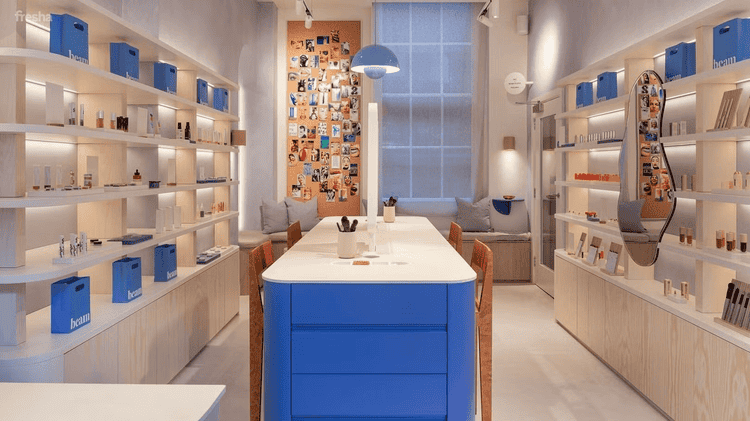
Salon Pricing: Knowing When to Raise Your Prices and How to Do It (Whilst Keeping Your Clients)

Raising prices is one of the most avoided conversations in the beauty industry, but in reality, it does not need to be. Here is how to do it confidently, communicate it well, and keep your clients happy on the other side.
We’re sure you have noticed, but US service prices rose 3.2% in the 12 months to June 2026, according to the Bureau of Labor Statistics, so if your salon price list has not moved in that same period, you have quietly given your clients a discount, and that gap adds up faster than you might realise. Here’s our guidance on knowing when's the right time to increase prices, and how to do it, whilst keeping your clients.
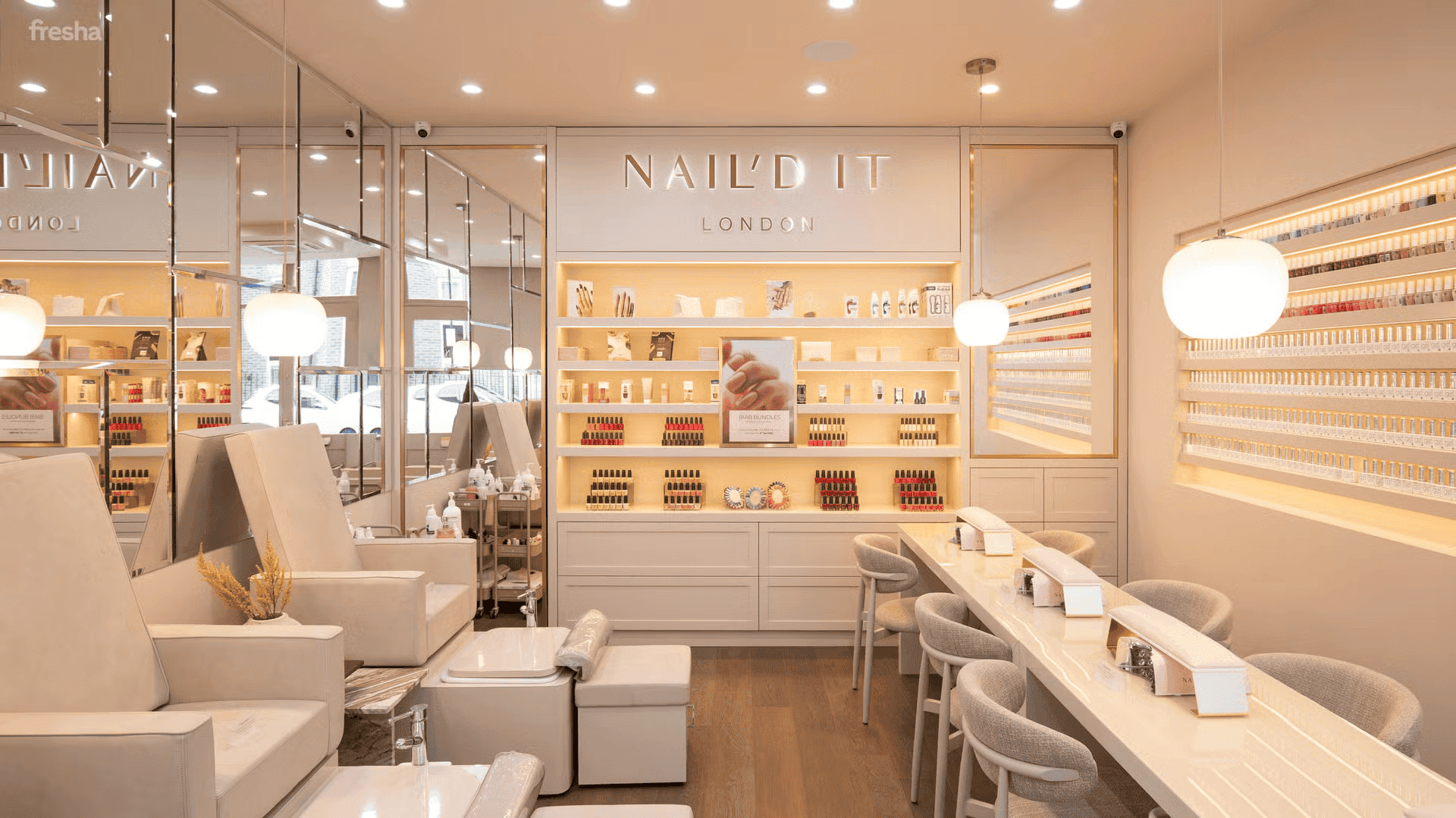
Rising costs means sometimes you need to raise your prices
It’s no secret that both wages are getting more expensive across the globe, in the US alone, more than 20 states now automatically adjusting their minimum wage each year. Naturally, product prices and materials have followed, and so have energy, rent, and insurance.
If you haven’t changed your prices whilst your costs have gone up, every appointment is slightly less profitable than it was before. Apply that same thought across a full week of bookings and the numbers add up, fast. Salon owners tend to absorb cost increases quietly rather than pass them on, and some of these fears stem from the possibility of losing clients or receiving backlash, but there is a real difference between overcharging and simply running a sustainable business, and a cost-reflective price increase sits well within the second category.
In June 2026, 47% of US small business owners reported raising their prices, according to the National Federation of Independent Business. If you’re already one of our partners and you’d like to find out more about your finances, Fresha's Finance Summary and Sales Summary reports break down exactly where your revenue is going, which is a useful starting point before you set new numbers.
"A lot of salon owners tell us they're nervous about raising prices, but when we look at their data, they're fully booked weeks out and charging less than the salons down the road. With a strong reputation and existing client base, raising your prices will come naturally."
– Iasmina Ionescu, Content Marketing Manager at Fresha
When to increase price
Don’t take this as a ‘must’, if you’re happy with your income, or you’re all good with absorbing some of the costs, the choice is yours. However, here are a few indicators that show it may be a good time:
- You have not raised prices in 12 months or more
- Product, energy, or wage costs have gone up
- You have added training or premium services to your menu
- Comparable salons nearby charge noticeably more
- Affordability comments (although affordability isn’t a negative, it should be in line with industry standards and also your training/experience levels)
Annual reviews are the right cadence; a 5 to 10% increase once a year is far easier for clients to absorb than a larger jump after years of holding flat. The salons that find price conversations hardest are usually the ones who have left it the longest.
How to calculate the right increase
Start with your actual costs
You need to figure out your monthly (and daily) costs; look at your bills, what increases have happened during the last period since you last changed your prices, and if you would also personally like to be taking more home. Making a list of these costs and putting them on paper is always useful.

See what the market is charging
Fresha's marketplace shows real service pricing from salons near you, which means that you can look at surrounding salons providing the same service as you. You could even look across the country, benchmarking yourself here sensibly, with over 130,000 businesses trusting us.
The 5 to 15% rule
For most salons, an annual increase in that range is both manageable and easy to justify. If you have not raised prices in two years or more, landing toward the higher end is reasonable.
How to structure your price list
Tier by experience level
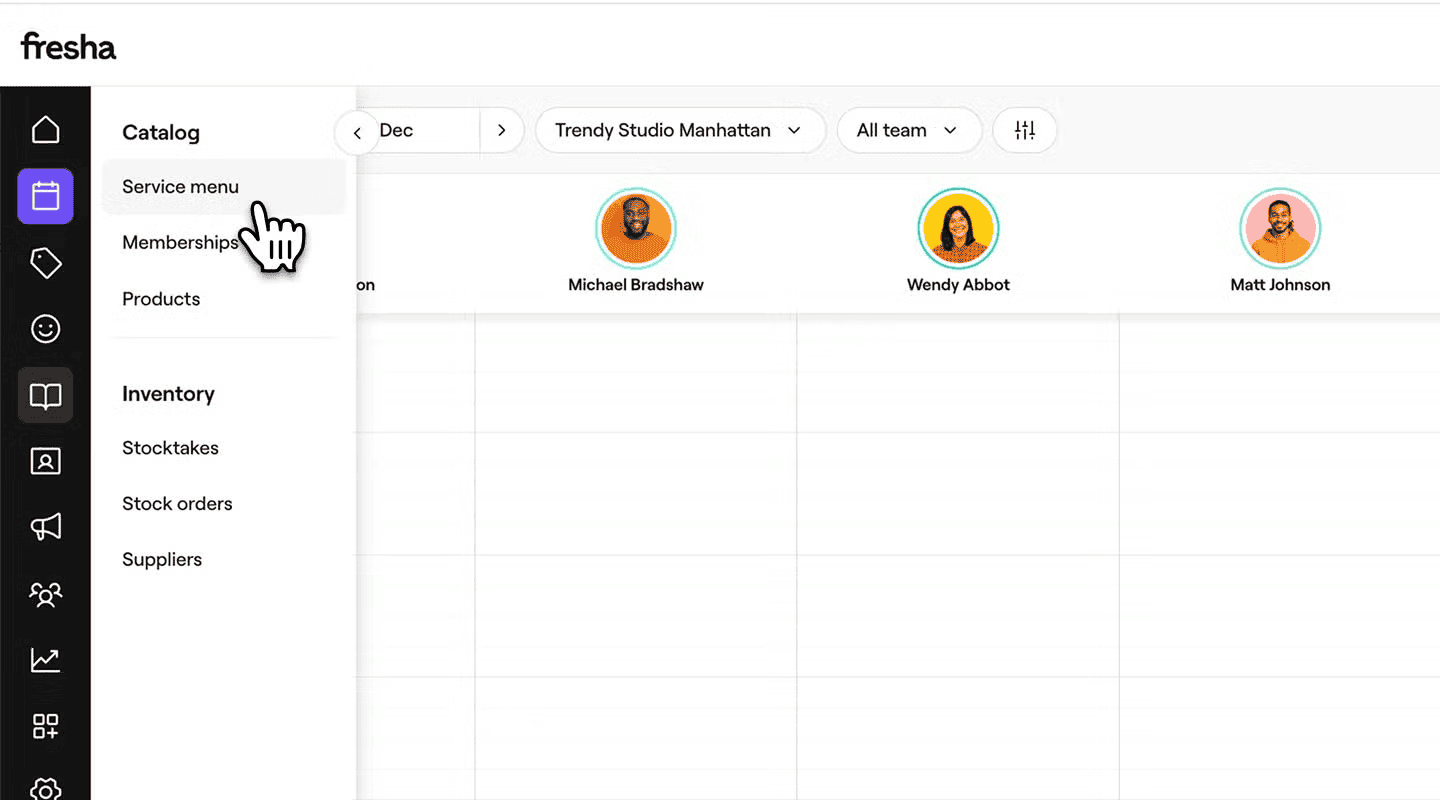
Tiered pricing, where senior stylists or therapists charge more than junior team members, gives clients a transparent choice and gives your team a clear progression. It is worth setting up properly so the differences show accurately across all your booking channels. With Fresha, each team member can have their own advanced pricing and duration, easily navigated by customers.
Use Smart Pricing for peak and off-peak slots
Fresha's Smart Pricing automatically adjusts service prices based on demand. Higher during your busiest slots, lower during quiet ones to pull in bookings that would otherwise sit empty. Clients see the adjusted price at the time of booking, so there are no surprises.
You can set up Smart Pricing here and track results in your Smart Pricing performance report.
Bundle services for better average spend
A color and cut at a package rate, or a four-session treatment course, gives clients a reason to commit upfront. You get predictable revenue; they feel like they got good value. It also introduces clients to services they might not have tried individually; these can also be set up through Fresha’s pricing features.
How to tell your clients
The tone of your message matters as much as the content, reassuring clients that this is the right choice in a friendly yet informative way works well. 4-6 weeks' notice is the right window, but here are a few ways to frame it depending on your relationship with your clients, and what you’re most comfortable with.
| Tone | Message | Best for |
| Honest | "From [date], we're updating our prices for the first time in [x] years. The cost of products, training, and running the salon has shifted, and our prices need to reflect that. We've kept the increase as small as we can while staying sustainable. Thank you for your loyalty, it genuinely means a lot." | Salons with a loyal, long-standing client base who will appreciate the transparency. |
| Value-led | "We've been investing in training, better products, and new treatments this year. From [date], our prices will reflect that. We think you'll notice the difference, and we look forward to showing you what we've been learning." | Salons that have upskilled or refreshed their menu.
|
| No fuss | "Quick heads-up: our prices are updating from [date]. Our full updated menu is at reception and online. Thank you as always for your support." | Established salons with a strong reputation. |
| Social | "Friendly reminder: our prices are changing from [date]. If you'd like to book in at the current rate, now's the time. Link in bio. See you soon!" | Keeping followers in the loop with a CTA. |
Email and SMS
Your most direct line to existing clients. A two-message approach works well: one message 4-6 weeks out, and a short reminder 2 weeks before the change. The first gives clients time to book at the current rate if they want to; the second catches anyone who missed it. You can send via email blast, SMS blast, or combine both with a multichannel campaign.
In-salon and social
A clear sign at reception with the effective date, plus a short post on Instagram or Facebook, rounds out your coverage, keep the social post light and conversational.

How to keep clients coming back
We have a dedicated blog on client retention strategies, but with a price increase, you may also want to introduce loyalty schemes; this means that although your clients are increasing their prices, they could be saving elsewhere.
Fresha's Client Loyalty feature earns points on every visit and redeems them automatically, with no ongoing admin. Read the loyalty program guide or set up a referral scheme to bring new clients in at the same time.
Track the impact
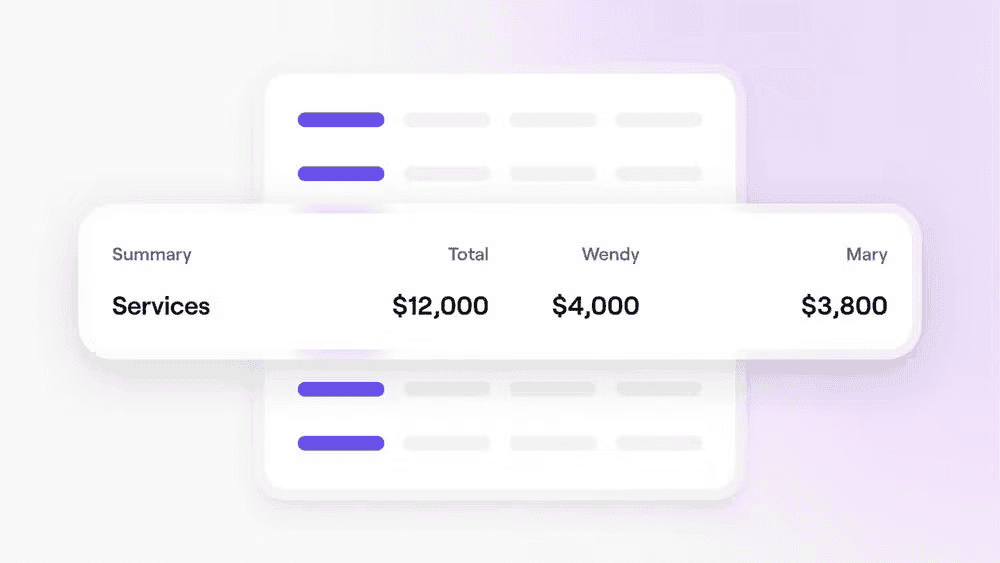
Watch your booking volume, revenue per client, and service mix in the weeks after the new prices land. Losing a few price-sensitive clients while overall revenue holds or grows is a good result, not a bad one.
Fresha's Performance Summary and Client Insights reports give you a clear view, while sales by time period lets you spot week-by-week shifts as they happen - all of these analytics and pricing summaries are under one app when it comes to Fresha, so you don’t need to look for third-party analytics.
Frequently asked questions
How often should I raise my salon prices?
Once a year is the right rhythm for most salons. Annual increases of 5 to 10% are easier for clients to absorb than a big jump after years of holding flat.
How much should I increase my salon prices by?
A 5 to 15% range is typical. Where you land depends on how long it has been since your last review, how much your costs have shifted, and what comparable salons in your area charge.
How do I tell clients about a price increase without losing them?
4 to 6 weeks' notice, at least two channels, and a message that is warm but not apologetic. Most clients who value your work will understand. The templates above give you a starting point.
What if I do lose clients after raising my prices?
Some price-sensitive clients may not return, and that is okay. The clients who stay are now paying a more profitable rate. The gap tends to fill with new clients who are less focused on price.
Can I charge different prices for different stylists?
Yes, tiered pricing by experience level is common practice. Clients get a transparent choice; junior team members have a clear earning progression. Set it up in Fresha and it shows consistently across every booking channel.
What is Smart Pricing on Fresha?
Smart Pricing automatically adjusts service prices by time slot based on demand. You set the rules; clients see the adjusted price at booking. It is an easy way to earn more during peak times and fill quiet slots without touching anything manually.
How do I make sure my new prices appear everywhere clients can book?
Update your prices once in Fresha and they push through to your Fresha profile, the marketplace, Google Reserve, and any connected Facebook or Instagram booking links automatically.
Is there a good time of year to raise salon prices?
January and September tend to work well. Both give you time to communicate the change without it landing in your busiest period (December or pre-summer). The new year framing makes January feel natural; September catches clients coming back into their regular routine.
Make pricing work for your business
The salons that grow year on year are usually the ones that treat their price list as a progression, not something they set once and forget. Review it annually, benchmark against your market, and communicate changes with confidence.
👉 Fresha's Smart Pricing, marketing tools, loyalty features, and reporting suite are all built to support exactly that. Find out more at fresha.com/for-business.
Related Articles