Vacuum-assisted precise tissue release – uses small blades to cut through the fibrous bands that cause cellulite. The results are reported to be good and can last for 3 or more years.
Cellfina – a needle is used to break up the fibrous bands beneath the skin that cause the orange peel effect. It can reduce the appearance of cellulite for 2 or more years.
Acoustic wave therapy – a handheld device breaks cellulite up using sound waves; multiple treatments are needed to see results.
Cellulaze laser – a small laser fibre is inserted beneath the skin, and laser energy released to break up the fibrous bands that push your normal fat layers upwards, creating the orange peel effect. This results in thicker skin that can reduce the dimpled appearance of cellulite for 1 year or more.
Endermologie – deeply massages and lifts your skin using a vacuum like device. Multiple sessions are needed to see results; the effect is likely to last for a month or so.
Cryolipolysis – also known as coolsculpting, freezes and decreases unwanted pockets of fat. In some cases, however, it can increase the pockets of fat rather than reduce them. It’s not reported to be able to reduce the appearance of cellulite.
Laser-assisted liposuction – removes fat but doesn’t remove cellulite.
Ultrasound – a liposculpting technique that uses ultrasound to reduce the appearance of cellulite. More research is needed to ascertain how effective this is.
Carboxytherapy – carbon dioxide (CO2) is inserted beneath the skin, stimulating circulation and collagen production. The jury’s not yet out on how effective this cellulite treatment is.
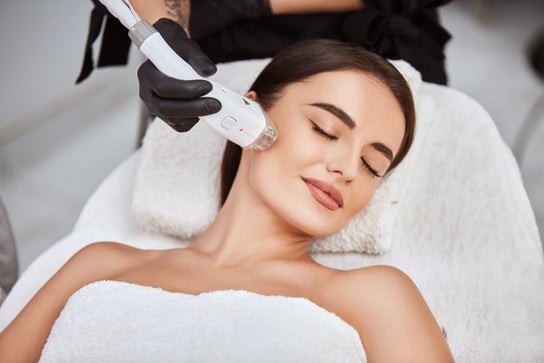
Radiofrequency – uses heat, laser, suction and massage; it can give results, but they reportedly don’t last long.
Ionithermie – uses electric currents to treat cellulite, but it’s not considered effective.
Creams and lotions – some may have a positive effect on reducing the appearance of cellulite; it’s best to look at reviews before you buy any.
 +48 530 918 288+48 530 918 288Call to book
 +48 43 671 14 20+48 43 671 14 20Call to book